Updated · View the original (2022)
Professional Photography: The Hub of Your Real Estate Marketing
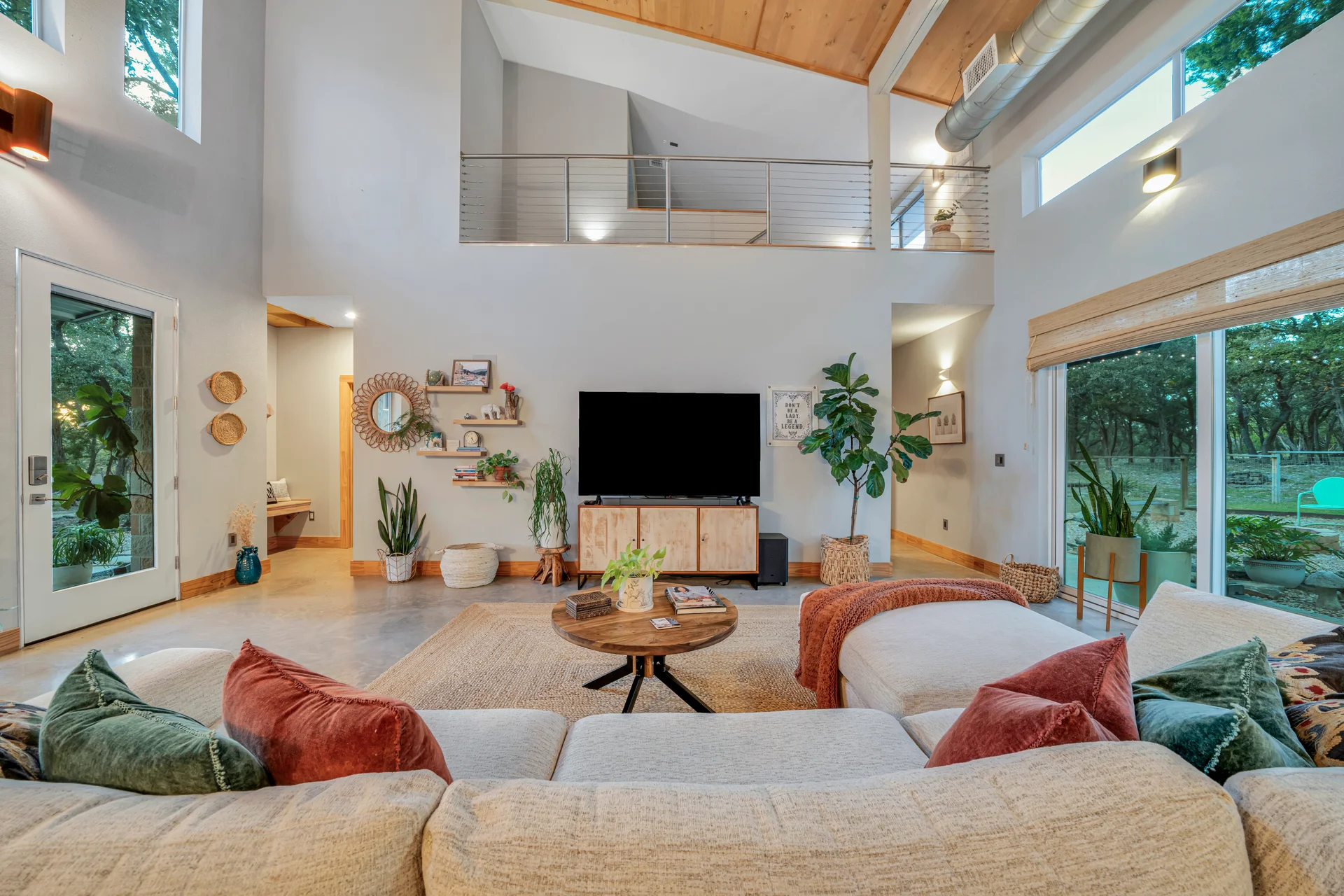
Every marketing plan for a listing runs on the same raw material. The MLS entry, the Zillow and Realtor.com detail pages, the Instagram carousel, the just-listed email, the printed flyer at an open house, the paid ad in a buyer's feed: none of them exist without one thing to fill them, and that thing is the photography. A listing's images are not the decoration on a marketing campaign. They are the campaign's core asset, the single piece of content that every channel spends against. Get that asset right and the whole plan compounds. Get it wrong and you are amplifying a weak first impression across a dozen places at once.
This matters because of where buyers actually start. Searching for homes online remains the most common first step in the entire buying process, ahead of contacting an agent, driving a neighborhood, or anything else, according to the National Association of REALTORS Profile of Home Buyers and Sellers. The listing photo is the first handshake, and it happens on a screen. The return on getting it right is measurable too: Redfin found that homes between $200,000 and $1 million shot with a professional camera sold for $3,400 to $11,200 more relative to their list price than comparable homes with amateur photos. That is not a photography number. It is a marketing number, because the photos are what the marketing is made of.
This guide reframes professional photography the way a Texas agent should think about it: not as a service you check off before listing, but as the hub that powers every channel your marketing touches. Here is how that hub feeds each one.
The MLS and the portals: your storefront runs on the hero shot
The moment a listing goes live, its photos are syndicated to the MLS and out to Zillow, Realtor.com, Redfin, and dozens of downstream sites within hours. On every one of them, the property is reduced to a single tile in a grid of competing homes, and the lead photo is what decides whether a buyer taps in or scrolls past. This is the highest-leverage image in your entire plan, because it gates access to everything else. A dim entryway or a cluttered kitchen in that first slot quietly kills the click, and a listing that does not get clicked does not get shown.
Portals also reward a complete, well-built gallery. A thin set of dark, crooked images reads as a thin listing and pushes buyers to assume something is being hidden. A full gallery of bright, correctly exposed rooms, led by a clean exterior or a twilight shot for a home that shows well at dusk, tells the portal's audience that this is a serious, well-managed listing worth their time. The same frames that win the click on Zillow are the frames every other channel will pull from, which is why the storefront shoot has to be the strongest work, not the fastest.
Social media: the channel agents rate highest
Social is where photography stops being a listing tool and becomes a lead engine. Agents know it: 39% of REALTORS say social media gives them their highest-quality leads, ahead of any other technology they use, per NAR's REALTOR Technology Survey. But social is a visual medium first. A just-listed post, an Instagram carousel, a Reel, a Facebook share: each one lives or dies on the image in the frame, because the feed scrolls even faster than a portal grid.
A professional shoot is what makes a listing postable. Wide, well-lit hero frames become carousel openers. Detail shots of stonework, millwork, or a designer fixture become the second and third slides that hold attention. Motion clips from a video walkthrough become the Reels and Stories that platforms push hardest. When the underlying imagery is strong, an agent can post the same listing a dozen ways across a week without ever running out of material. When it is weak, no caption or hashtag strategy rescues it.
Email and your sphere: the images do the selling before a word is read
The just-listed email, the new-price alert, the monthly newsletter to your database: these are among the most direct marketing you own, and they are almost entirely visual. A buyer or a past client opening your email decides in a glance whether to keep reading, and that glance lands on the photo. A crisp, aspirational hero image pulls them into the property. A muddy phone snapshot sends them back to their inbox.
Because email goes to people who already know you, the imagery is also doing double duty for your brand. Every send is a small demonstration of the standard you hold. Consistent, polished photography across your listings trains your sphere to associate your name with homes that look like they belong in a magazine, which is exactly the reputation that earns the next referral and the next listing appointment.
Print and signage: the impression a buyer holds in their hand
Print is not dead in real estate, it has just become premium. The open-house flyer, the property brochure for a luxury listing, the postcard to a farm area, the sign rider and window card: these are the physical touchpoints of your campaign, and print is unforgiving. An image that looked passable as a small phone thumbnail falls apart when it is enlarged on a glossy brochure or a yard sign. Low resolution, soft focus, and bad color have nowhere to hide at print size.
Professional capture solves this at the source, because the files come off the shoot at full resolution, properly exposed, and color-corrected, ready to enlarge without degrading. The same gallery that fills your MLS entry drops straight into a designed flyer or a mailer. One shoot, many surfaces, all of them holding up at the scale print demands.
Paid ads: you are buying attention, and the image sets its value
When an agent boosts a listing on Facebook or Instagram or runs a targeted campaign for a seller, they are paying for attention by the click. The creative that decides whether that spend converts is, again, the photograph. A scroll-stopping hero image lowers the cost of every result, because more of the people who see the ad stop and engage. A weak image raises it, because you are paying to show something that does not earn a look. The math is direct: the quality of the imagery is a lever on the efficiency of the ad budget, not a cosmetic detail on top of it.
This is where treating photography as the hub pays off most clearly. The exact same asset that you did not pay extra for, the strong lead shot from the listing shoot, is what makes your paid dollars stretch further. Cheap photography does not save money. It quietly taxes every campaign you run on top of it.
Your brand and portfolio outlive the sale
A listing closes and the MLS eventually clears it, but the photography keeps working. Those images become portfolio pieces that win your next listing appointment, framed prints for your office, case-study content for your website, and evergreen posts that show sellers the caliber of work their home will get. A seller deciding between two agents is, in large part, comparing two bodies of visual work. The agent whose past listings look consistently sharp, bright, and intentional has already made the argument before the meeting starts.
This is the compounding return that a single listing's ROI number misses. Great imagery markets the property today and markets the agent for years, across every channel where a future client might encounter your name.
One shoot, many formats: building the hub deliberately
The reason to think of photography as a hub rather than a checkbox is that different channels want different formats, and the strongest plans capture all of them in a single visit. Stills carry the portals, social, email, and print. Motion earns its own place: roughly 70% of home shoppers use video to tour the inside of a home, per Google and NAR, and video is what platforms reward most on social. Interactive media pulls its weight for the relocation and out-of-state buyers so common across Texas: Matterport reports that listings with a 3D tour sold up to 31% faster and for up to 9% more. And aerial imagery gives the lot, the neighborhood, and the setting a story that no eye-level frame can.
Capturing stills, video, aerials, and a 3D tour in one coordinated session keeps the look consistent across every channel and gives you a full library to draw from all the way to closing. That is the thinking behind a complete marketing kit: not a bundle of add-ons, but one deliberately built set of assets sized for the MLS, the portals, social, email, print, and paid ads at once. Build the hub properly once, and every spoke of your marketing has exactly what it needs.
The through-line: photography is the input every channel shares
It is tempting to treat the shoot as one item on a listing checklist, separate from the marketing that follows. In reality it is the marketing's foundation. The portals, the social posts, the emails, the flyers, and the ads are all just distribution for the same underlying images. Strengthen that input and every channel gets better at once. Weaken it, and no amount of clever distribution makes up the difference.
If your recent listings feel like they are working harder than the results show, the imagery at the center is usually the place to look. See how we shoot Texas real estate, and how a single session becomes the hub that feeds an entire listing's marketing.