Updated · View the original (2021)
How Houston Real Estate Photography Actually Sells Your Property
A sale does not begin at the closing table. It begins the instant a Houston buyer thumbs past your listing in a search grid and decides, in a fraction of a second, whether to tap it. Almost every buyer now starts online, and in a metro this large, with relocating families sorting through hundreds of homes across Katy, The Heights, Sugar Land, and Cypress from a phone, that first tap is the whole game. Photography is not decoration on top of the sale. It is the machine that drives it.
The useful way to think about it is a funnel. Each stage feeds the next, and the quality of your media decides how many buyers survive each step. Understand the mechanism and it becomes obvious why a strong gallery reliably sells faster and protects price, while a weak one quietly bleeds both. Here is how it actually works, stage by stage.
Stage one: the lead image wins the click
Every portal, from the local MLS feed out to Zillow and Realtor.com, shows your home the same way first: one thumbnail in a wall of competing thumbnails. That single frame does one job, which is to earn the click. Nothing else on the listing, not the price, the school ratings, or the square footage, gets seen until it does. A dim, crooked, phone-shot exterior loses that contest before the buyer is even conscious of choosing. A clean, bright, properly exposed hero image wins it.
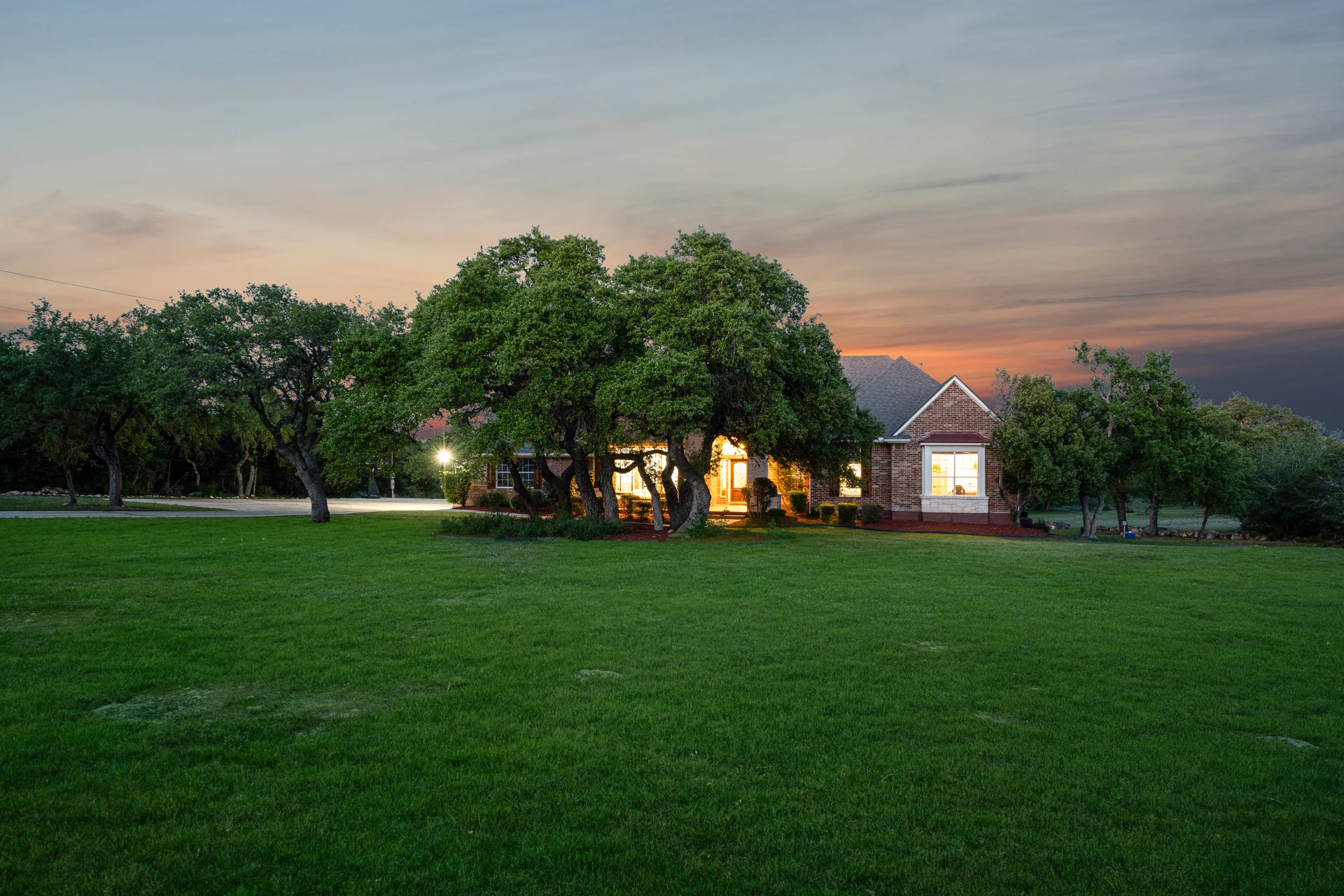
This is where the money starts. Redfin found that homes between $200,000 and $1 million photographed with a professional camera sold for $3,400 to $11,200 more relative to their list price than comparable homes shot with amateur photos. That premium does not come from the photo itself. It comes from what the photo sets in motion: more clicks at the top of the funnel, which means more of everything downstream. A hero frame that stops the scroll, whether a crisp daytime exterior or a twilight frame of a home that shows well at dusk, is the single highest-leverage decision in the entire listing.
Stage two: clicks become showings
A click opens the gallery, and now the job changes. The buyer is no longer deciding whether to look. They are deciding whether to spend a Saturday driving to your address instead of the eleven other homes on their shortlist. Photographs are how that decision gets made, because online browsing is not a preview of the showing. For most buyers it is the showing, and the in-person visit is a confirmation trip they only take for homes that already earned it.
This is why coverage and consistency matter as much as the hero shot. A gallery that walks a buyer through the home in a logical order, every room lit and level and shot from its strongest corner, lets them build a confident mental tour. They can see themselves at the island, in the primary suite, out on the patio. That confidence is what converts a passive scroller into a booked showing. A thin or uneven gallery does the opposite: it creates doubt, and doubt is easy to resolve by simply moving on to the next listing. More qualified showings is the number the entire sale hinges on, and it is manufactured here, in the gallery, days before anyone rings the doorbell. This is the core of what professional real estate photography is actually buying you.
Stage three: immersive media pre-qualifies the buyer
Stills win the click and book the showing. Immersive media does something different and just as valuable: it filters. A 3D walkthrough lets a buyer move through the house at their own pace, open every doorway, and understand how the rooms actually connect before they ever get in the car. Matterport's analysis of MLS transactions found that listings with a 3D tour sold up to 31% faster and for up to 9% more. Video does the same work with motion and story, and it has become a primary way shoppers tour a home, with Google and the National Association of REALTORS reporting that 70% of home shoppers use video to tour the inside of a home.
The mechanism here is pre-qualification. When a buyer has already walked the home virtually and studied the layout, the showing they book is a serious one. They are not coming to find out whether the flow works or whether the third bedroom is really that small. They already know, and they came anyway. A floor plan sharpens this further by answering the one question photos cannot, which is how the space fits together. Zillow found that 81% of buyers are more likely to tour a home when the listing includes a floor plan. For Houston's large share of out-of-state and relocation buyers, immersive media is often the difference between a shortlist spot and a scroll-past, because those buyers cannot casually swing by. They qualify themselves entirely online, and they only fly in for the homes that earned it.
Stage four: qualified interest becomes competition
Now the funnel pays off. Each earlier stage was about volume and quality of interest: more clicks, more showings, more buyers who arrive already sold on the space. Compress that interest into the critical first days a listing is on the market and you get the one thing that moves price in a seller's favor, which is competition. Several motivated buyers looking at the same home in the same week is how you get offers that hold at or above asking, escalation instead of negotiation, and terms that favor the seller.
This is the quiet reason strong media protects price. It is not that a beautiful photo convinces one buyer to overpay. It is that professional media widens the top of the funnel and pre-qualifies the middle, so more real buyers reach the bottom at the same time. Demand concentrated in time creates leverage, and leverage is what closes fast and near the top of the range. A weak gallery starves that dynamic from the start: fewer clicks, fewer showings, no urgency, and a listing that lingers until the only lever left is a price cut. On the open market, days on market and the size of your discount are downstream of decisions made at the very top of this funnel.
The through-line
Photography sells a home the way a good funnel sells anything: by winning attention, converting it to intent, qualifying that intent, and concentrating it into competition. The lead image earns the click, the gallery books the showing, the 3D tour and video bring buyers who are already convinced, and the competition that follows is what protects your price and your timeline. Each stage only works if the one before it did its job, which is why the media cannot be an afterthought bolted on at the end. It is the mechanism of the sale.
That is the standard we hold on every listing we shoot across Houston: not pretty pictures for their own sake, but media engineered to move a buyer from a thumbnail to a signature.