Updated · View the original (2020)
Sell Your House Fast: The 7-Person Team Behind a Quick Texas Sale
A fast sale rarely comes down to luck or a hot market. It comes down to preparation, and preparation is a team effort. The listings that generate offers in the first weekend are almost always the ones where the right people did the right work before the sign ever went in the yard: the home was priced correctly, the title was clean, the repairs were done, the rooms were staged, and the photography made a buyer stop scrolling. Any one of those failing can add weeks to a sale.
You do not have to be an expert in all of it. You need a small team of professionals who each own a piece of the process and hand off cleanly to the next. This guide walks through the seven people worth lining up before you list a home in Texas, what each one actually does, and how each one shortens the road to a closed deal. Assemble them early and the sale tends to take care of itself.
1. The listing agent: strategy, exposure, and negotiation
The first hire sets up every other one. A good listing agent runs the sale end to end: pricing the home against real comparable sales, advising on which repairs and improvements are worth doing, coordinating staging and photography, putting the listing on the MLS where every portal and buyer's agent pulls from, and then negotiating the offers and shepherding the contract through inspection, appraisal, and closing.
Pricing is where speed is won or lost. Come in too high and the listing sits, goes stale, and eventually sells for less than a sharp initial price would have brought. An agent who knows your submarket sets a number that draws traffic in the first week, when a listing gets the most attention. The value of that expertise shows up in the data: roughly nine in ten sellers work with an agent, and for-sale-by-owner transactions have fallen to record lows, according to the National Association of REALTORS' Profile of Home Buyers and Sellers.
Choose carefully. Look for a track record of recent sales in your area and price range, reviews that speak to communication and results, and a clear marketing plan rather than a vague promise. The right agent does not just list your home. They quarterback the entire team below.
2. The mortgage professional: certainty on both sides of the deal
Sellers often overlook a lender, assuming financing is the buyer's problem. In reality a mortgage professional protects your side of the transaction twice over. First, they help you understand your own numbers: your current loan payoff, your likely net proceeds after commissions and closing costs, and whether it makes sense to buy your next home before or after this one sells. Walking into a sale knowing your bottom line keeps you from freezing on a good offer or chasing a bad one.
Second, and more directly tied to speed, a lender is your reference point for vetting a buyer's financing. There is a real difference between a prequalification, which is a rough estimate, and a preapproval, which means a lender has actually verified income, assets, and credit. Accepting an offer from a buyer whose financing later collapses can cost you the weeks the home sat under contract, plus the stigma of a listing that went pending and came back. As PNC notes, a solid preapproval is one of the strongest signals that a deal will actually close. Your agent will read those letters closely, and a lender relationship helps you tell a strong buyer from a shaky one.
3. The title company or real estate attorney: a clear path to closing
Texas closes real estate through title companies rather than attorneys in most cases, and this is the team member sellers understand least. The title company is the neutral party that makes sure ownership can actually transfer. They run a title search to confirm you own the home free and clear, surface anything attached to it, hold the funds and documents in escrow, handle the closing table, disburse the money, and record the new deed with the county. They also issue title insurance that protects the buyer against claims that surface later. The Texas Department of Insurance explains the role in its title insurance FAQ.
The reason to involve them early is that title problems are slow to fix and quick to blow up a timeline. An old lien that was paid but never released, a survey discrepancy, a name that does not match across documents, or an inheritance with several heirs can all stall a closing at the worst possible moment. Opening title as soon as you decide to sell, rather than after you have an offer, gives everyone time to clear these quietly in the background. For an unusual situation, an estate, a divorce, a property held in a trust or partnership, a real estate attorney is worth adding to the team so the paperwork is right the first time.
4. The home inspector: control the story before the buyer does
A buyer will almost always order an inspection. The strategic move is to get there first. A pre-listing inspection tells you the true condition of the home, which issues need attention, and which are minor, so you can fix them on your own schedule and budget rather than under the pressure of a signed contract and a ticking option period.
That control changes the negotiation. Buyers routinely use their inspection to reopen price, ask for repair credits, or walk away over surprises. When you have already found and fixed the significant items, there is far less for their report to leverage, and fewer opportunities for the deal to stall or collapse late. As HomeLight explains, a pre-listing inspection also builds buyer confidence: handing over a clean report, or a report with repairs already documented as done, signals a well-maintained home and a seller with nothing to hide. That trust moves deals to closing faster.
5. The home stager: selling a life, not just a floor plan
Staging is more than cleaning and decluttering, though both matter. A professional stager arranges furniture, color, light, and accessories so each room reads larger, brighter, and more inviting, and so buyers can picture their own life unfolding there. That emotional connection is what turns an online browser into a scheduled showing and a showing into an offer.
The payoff is measurable. The Real Estate Staging Association reports that staged homes spend up to 73% less time on the market than non-staged listings, and buyers' agents consistently say a staged home makes it easier for their clients to visualize the property as their own. For a vacant home, or rooms that are hard to furnish physically, virtual staging can present a space fully furnished at a fraction of the cost. The one rule that matters: disclose it clearly, so buyers know the furnishings are digital. Honest staging builds desire. Misleading staging invites a letdown at the showing.
6. The contractor or handyman: clear the punch list
Few things undercut a listing faster than the small stuff a buyer notices on a walkthrough: a chipped door frame, a dripping faucet, a sticking window, scuffed baseboards, a fence panel leaning in the yard. Individually minor, together they whisper that the home has not been cared for, and that impression follows a buyer into every other room.
A reliable handyman or contractor clears that punch list before the photographer arrives and before the first showing. They also handle the items a pre-listing inspection surfaces, making sure repairs are done properly and up to code so nothing reappears during the buyer's inspection. A fresh coat of neutral paint is often the highest-return job on the list, taking a bold or dated color and giving the whole home a clean, move-in-ready feel that photographs beautifully and appeals to the widest pool of buyers. When your home is visibly among the best-kept options in its price range, it sells faster and defends its price.
7. The real estate photographer: where all the prep becomes visible
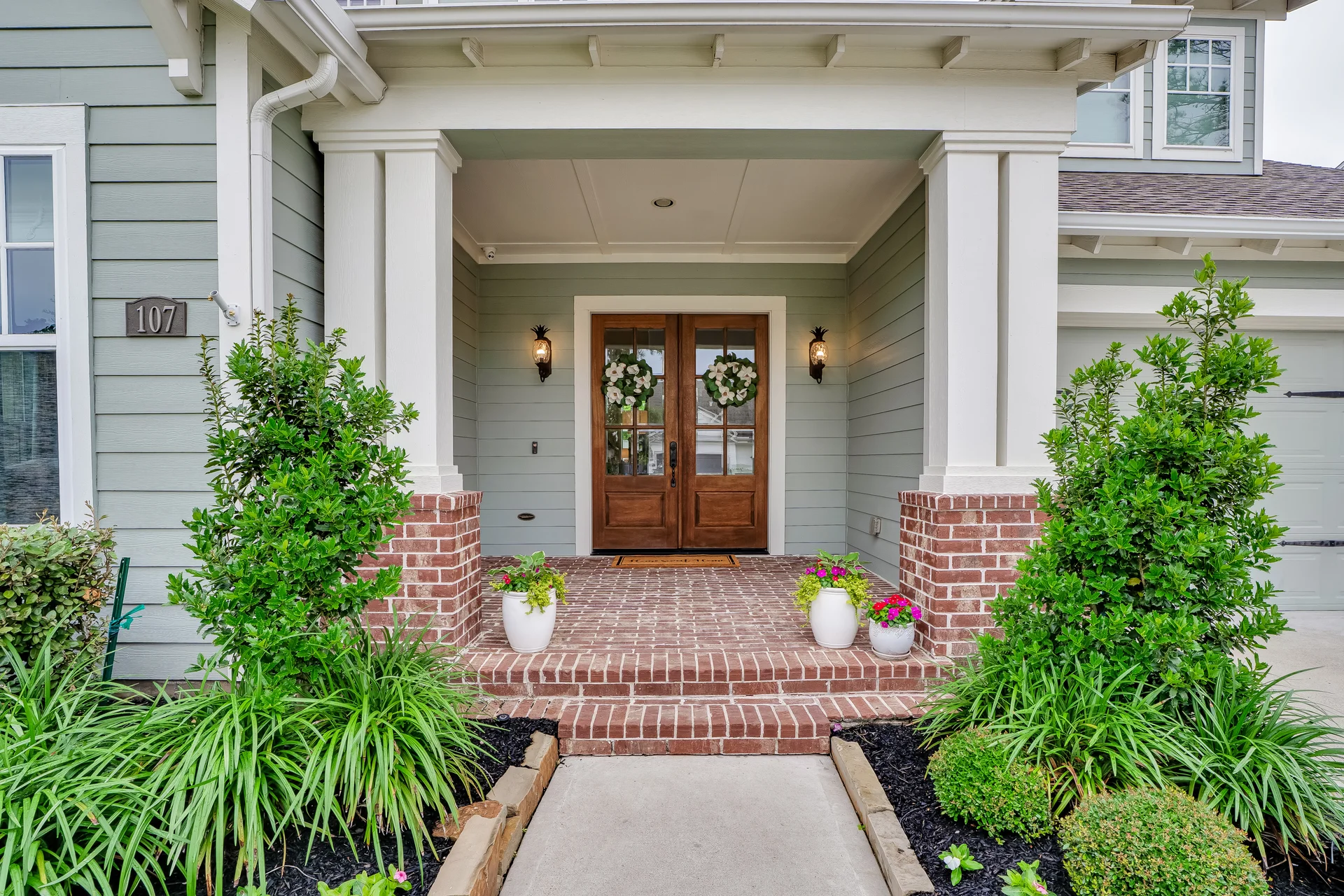
Every other person on this team does work that a buyer will only ever experience through one thing: the listing photos. Home shopping starts online, and the images decide whether a buyer clicks, saves, and books a showing, or swipes past to the next listing. All the staging, painting, and cleaning in the world does nothing if it is captured with a phone in bad light.
This is not a small edge. Redfin found that homes between $200,000 and $1 million photographed professionally sold for $3,400 to $11,200 more relative to their list price than comparable homes shot with amateur photos, and they tend to sell faster. A professional shoots with the right lenses and lighting, balances the bright Texas windows against the interior, and delivers a gallery that leads with the home's strongest frame. For homes with acreage, a view, or a strong neighborhood, aerial photography puts the whole property in context in a single image. Because the photographer is the point where all the preparation either pays off or disappears, it is worth treating professional real estate photography as a requirement, not an upgrade.
Assemble the team before you list
The common thread across all seven roles is timing. A fast sale is not the result of one heroic effort at the end. It is the result of coordinated work that happens before the home ever hits the market: the agent sets the price and plan, the lender and title company remove financial and legal surprises, the inspector and contractor put the home in real condition, and the stager and photographer make sure buyers see it at its best.
Line these people up early, let each one do their part, and hand off cleanly between them. Do that and you give your home the thing that actually sells it fast: a listing that is priced right, problem-free, beautifully presented, and ready to close the day it goes live.